
Over the course of her career, Candy Clark has faced a gelatinous space menace in THE BLOB, demons in AMITYVILLE 3D and Michael Moriarty’s Method improv in Q. Today, you can see her confront Southern-Gothic wickedness in COLD MOON, and she shared her thoughts with RUE MORGUE about it.
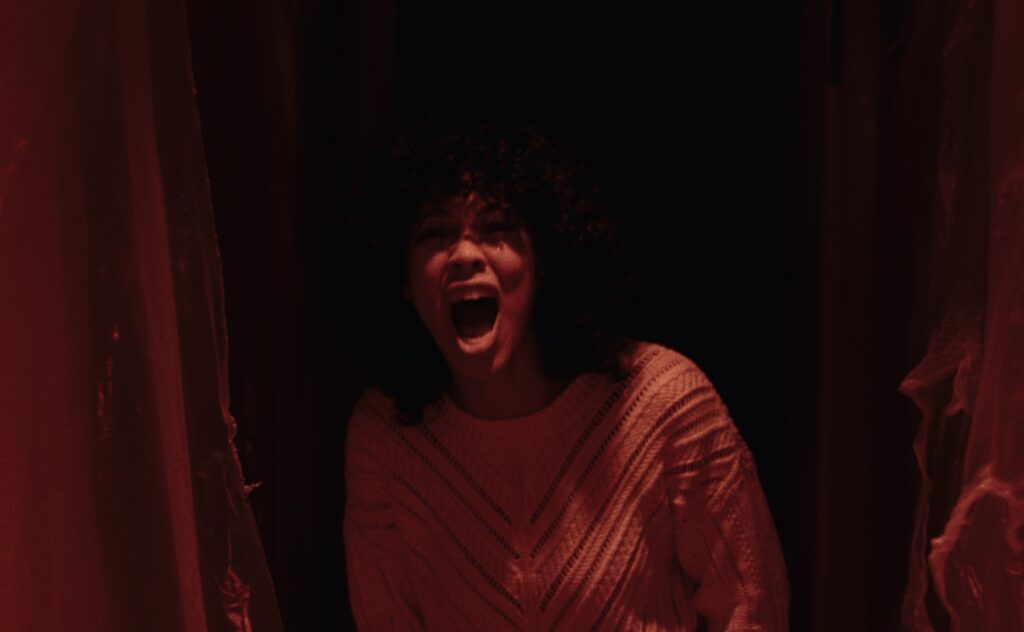
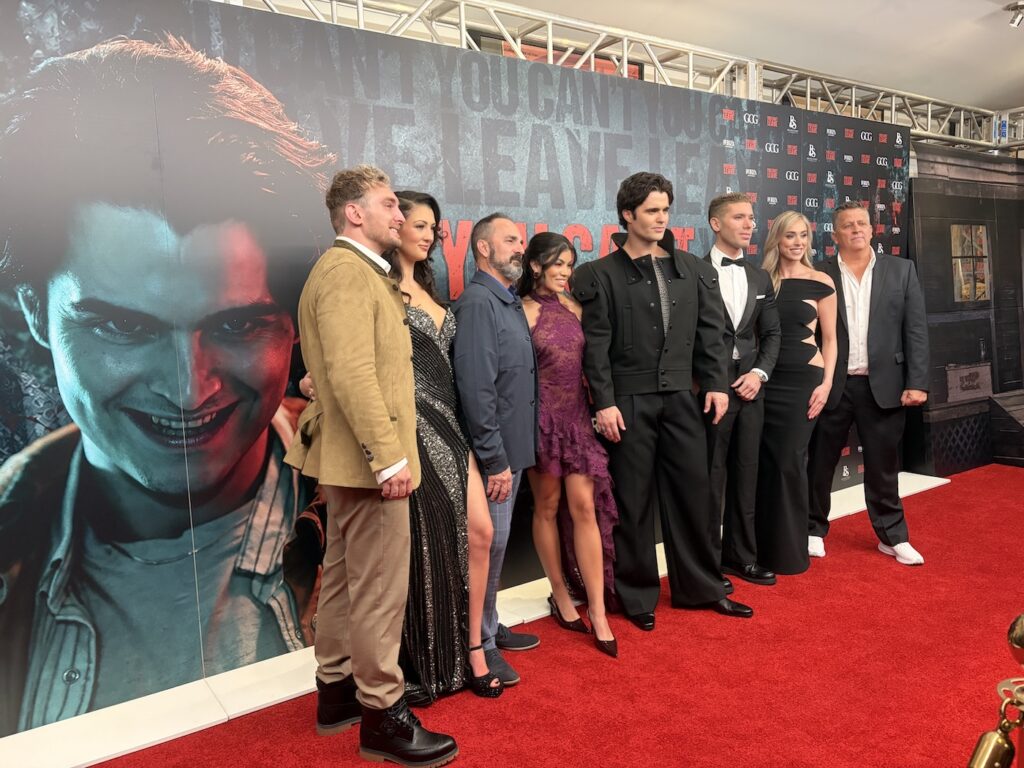
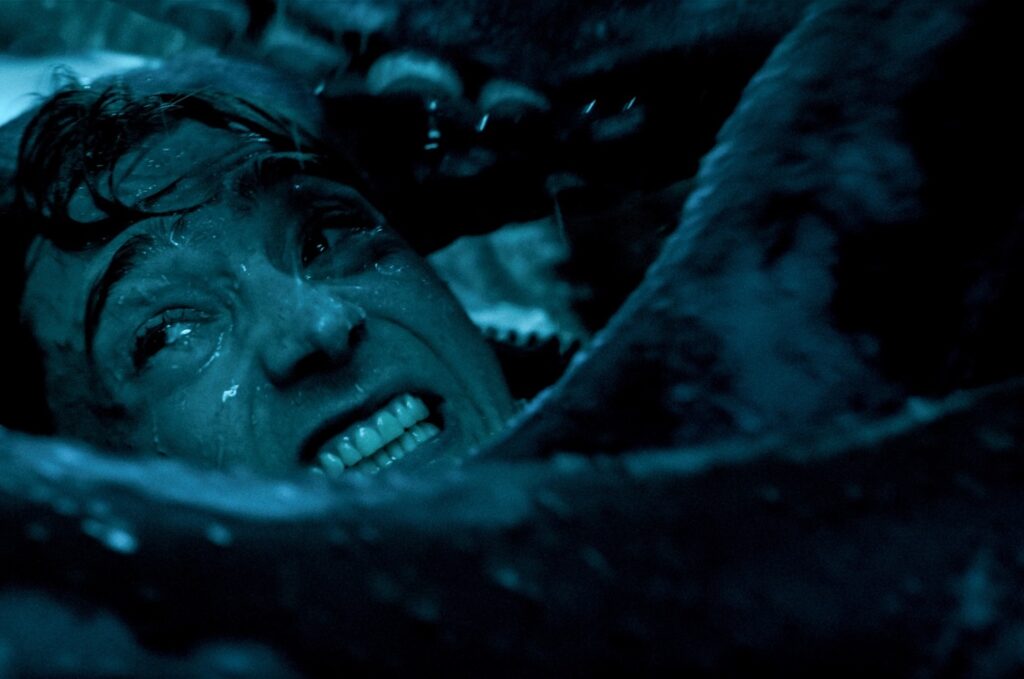
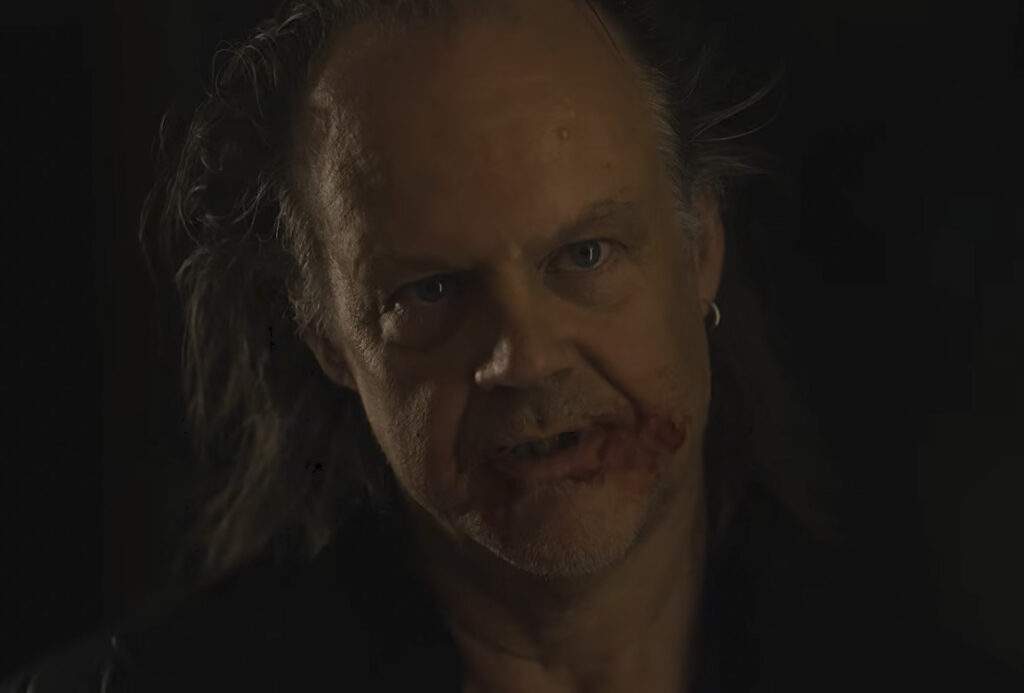
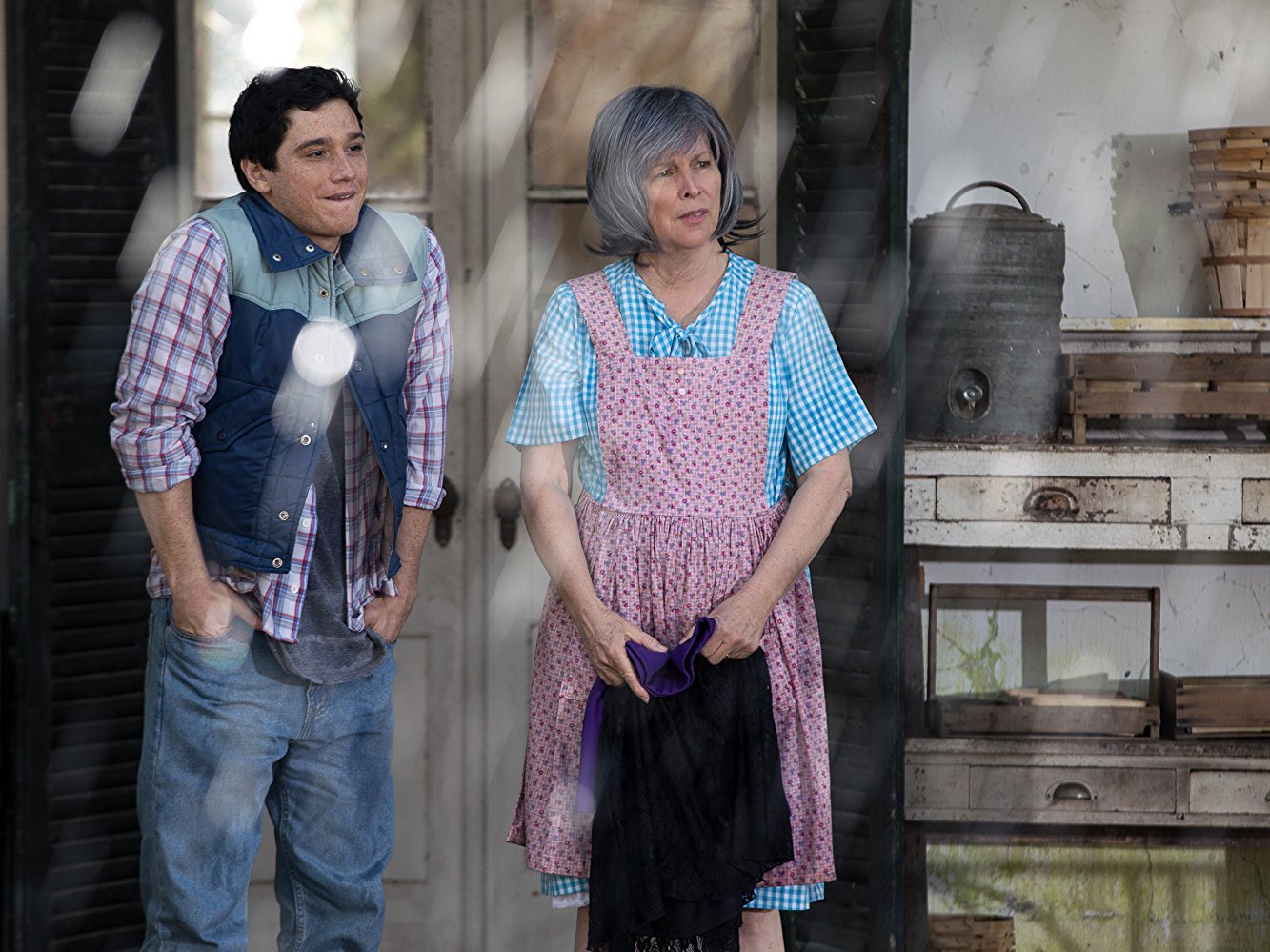
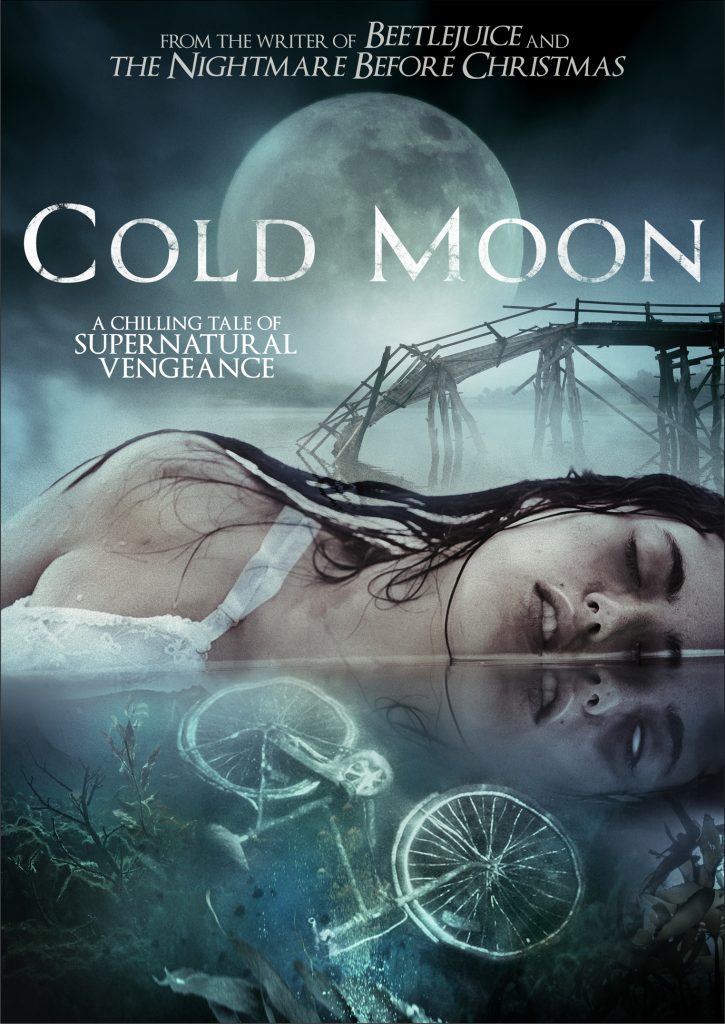
Opening in 10 theatrical markets and on VOD via Uncork’d Entertainment, COLD MOON is an adaptation of the novel COLD MOON OVER BABYLON by Michael McDowell (BEETLEJUICE), in which Clark (pictured with Chester Rushing) is part of an eclectic cast that also includes Josh Stewart (THE COLLECTOR), Christopher Lloyd, Frank Whaley (PULP FICTION), Madison Wolfe (THE CONJURING 2) and Tommy Wiseau (THE ROOM). Directed by Griff Furst, it’s set in 1989 Florida and begins with the murder of teenage Margaret Larkin (Sara Catherine Bellamy), whose body is tied to her bicycle and left in a river. This creates further trauma for her grandmother Evelyn (Clark), who’s already dealing with a financially failing blueberry farm, in a scenario that sees local psychopath Nathan (Stewart) become a key figure and Margaret return as a vengeful spirit. All this required Clark to go to some dark places while shooting…
You have to play some pretty extreme emotions over the course of this film.
I sure do, and you just try to imagine yourself in that situation. You would certainly be extreme, finding your daughter like that, thrown in the water! It’s a real ugly way for her to go. We’re all struggling; we aren’t rich people, we’re kind of scratching out a living and she’s still in school, and the farm is failing. There’s a lot going on, the pressure is mounting, and then this happens.
How did you prepare for the part?
I got the script fairly close to the time to leave for location, so I didn’t have a lot of time to think about it. I met with the hairdresser, and we went to one of those beauty supply places and bought this grey wig, and [laughs] I think the first stage of developing this character was seeing myself in it. And then there were the costumes, which were just inexpensive, off-the-rack outfits, and those and the location, which was very atmospheric—Louisiana, with the moss hanging and all of that—helped create the whole character. I just thought about being older and having children—although they’re really my grandchildren, they’re still like my children—and losing one that way just breaks Evelyn’s mind. She goes crazy.
There’s that whole level of drama going on in Evelyn’s life beyond the supernatural elements. Was that part of the movie’s appeal to you?
Well, Evelyn was a good character. She wasn’t just a stick figure, she was a fairly developed person, so I could delve into her situation and make it real. And I also read the novel, which really helped. That added a lot of dimension, reading the book and finding out more about these people. I liked Griff, too; he’s a fantastic director. He’s an actor also, so he had good ideas to motivate us.
Are there any significant differences between Evelyn in the novel and in the movie?
The book, of course, as all books are, is much more developed than the script. A book can build more atmosphere and get into people’s thoughts. You can’t see people’s thoughts—I guess you can, on the outside, when you’re photographing someone’s face—but when you read a book, you can really get into the thinking of your characters. In the full director’s cut of the movie, in fact, you get to know the people better; this is a whittled version of the movie. The book is very well-written; Michael McDowell wrote quite a few supernatural books. I highly recommend reading the novel.
What exactly got lost from the director’s cut in the release version?
It’s just more compressed; it kind of weighs more on Nathan. Before, it was a little more equally balanced between him and Evelyn. But then, for the sake of the storytelling, it became more about his own mental breakdown.
Evelyn and Nathan have some pretty intense scenes together. How was it shooting those?
That was easy, because Josh was perfect for the part. The hardest part for me was hanging onto that mood, because the story takes place in just a few days; it’s not drawn out over weeks and weeks. So playing that mood in a compressed time in the story, while I was actually there for several weeks, was not real easy. You have to dig up that emotion and keep it going; you don’t want to lose it. But everyone was just great, working with Griff and the other actors on location. It was just a few miles outside of New Orleans, so I took a lot of trips there, which was fun.
And I got to meet Christopher Lloyd, which was pretty special. We never worked together, but I showed up at work one night because I wanted to meet him and get my picture taken with him. He was very nice, very outgoing, and yet he did a terrific job playing this creepy, irritable, lecherous character in his wheelchair. I thought he was perfect.
Stay tuned for more from Clark about her past genre films, including AMITYVILLE 3-D and Q!